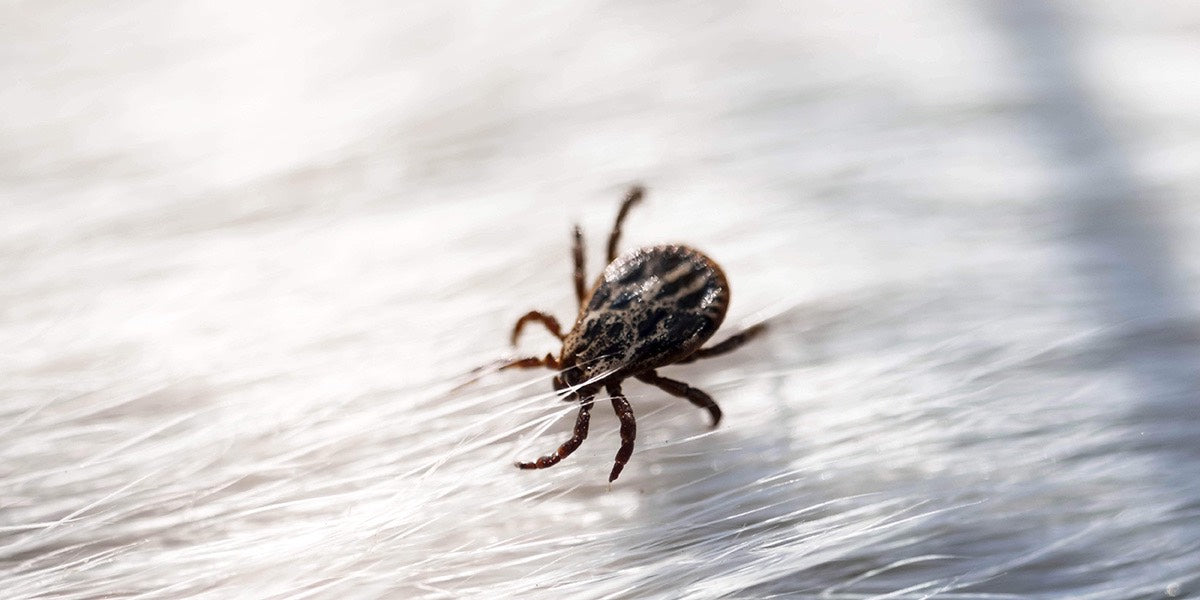
Tick Activity in Winter: Understanding Risks Below 6°C in Germany
For many years, the common wisdom held that ticks in Germany retreated for a winter slumber, only to re-emerge with the first signs of spring. The question, "Ab wann sind Zecken aktiv?" (When are ticks active?), traditionally received answers pointing to March or April. However, this long-held belief is increasingly outdated. Experts and scientists now unequivocally state that tick season is no longer confined to specific months. Instead, we face a year-round threat, with these resilient parasites demonstrating activity even when temperatures dip below the once-assumed safe threshold of 6°C. Understanding this shift is crucial for protecting ourselves, our families, and our beloved pets from tick-borne diseases throughout the year, even during what we perceive as winter.
The Myth of the "Tick-Free" Winter: Beyond 6°C
The idea of ticks being dormant during colder months is a comfort many have relied upon. Historically, a general rule of thumb suggested that once temperatures consistently dropped below 6-8°C, tick activity would cease. However, recent observations and research paints a very different picture. While a definitive temperature below which ticks are *absolutely* inactive is elusive, what is clear is that the 6°C mark is far from a reliable indicator for safety.
Ticks are ectotherms, meaning their activity is highly dependent on ambient temperatures. Yet, they possess remarkable adaptability. If the ground isn't perpetually frozen solid, and particularly if they can find shelter within protective leaf litter or other debris, they can remain active even when the air temperature is below 6°C. They might move slower, but they are still capable of seeking a host and attaching. The only true respite from tick activity comes with prolonged, hard frost, which forces them into a deep dormancy to prevent freezing. As Germany experiences increasingly milder winters, these periods of continuous, deep frost are becoming rarer and shorter, essentially extending the "tick season" indefinitely. This means that "Ab wann sind Zecken aktiv?" now has a simple, yet concerning, answer: potentially always.
Climate Change: The Driving Force Behind Extended Tick Season
The primary catalyst for this year-round tick presence is undoubtedly climate change. Milder winters, characterized by fewer prolonged freezes and more frequent thaws, create ideal conditions for ticks to remain active or emerge from dormancy much earlier than previously observed. Peter Hagedorn, a tick researcher at the Robert Koch Institute (RKI), has highlighted this concerning trend, noting that in recent years, tick sightings have been reported continuously, bridging the gap between one calendar year and the next without a true "off-season." This phenomenon is not just anecdotal; it's a documented shift in tick behavior across Germany.
The impact of warmer temperatures also affects different tick species. The common castor bean tick (*Ixodes ricinus*), responsible for the vast majority of tick bites in Germany, thrives in temperate climates but shows remarkable resilience in mild winter conditions. Furthermore, other species like the ornate dog tick (*Dermacentor reticulatus*), known for its greater cold resistance, are expanding their range, particularly in parts of Eastern Germany. This increased prevalence of cold-hardy species further underscores the year-round risk. For a deeper dive into how changing weather patterns are reshaping the tick landscape, read more in our article:
Ticks Active All Year: How Climate Change Reshapes German Tick Season.
Understanding Tick Life Cycles and Disease Transmission Risks
Ticks undergo a complex life cycle, progressing from eggs to larvae, then nymphs, and finally adult ticks. Each stage requires a blood meal to develop, making them potential vectors for pathogens. Crucially, the risk of disease transmission is not uniform across all stages.
While larvae typically become active later in the spring (around April or May), it's the **nymphs** and **adult ticks** that pose the most significant threat for disease transmission, including Lyme borreliosis and tick-borne encephalitis (FSME). These stages are the first to emerge from their overwintering hiding spots, often as early as March, or even sooner during mild winters. Because nymphs are tiny – often no larger than a poppy seed – they are particularly difficult to spot, leading to unnoticed bites and a higher chance of pathogen transmission. Therefore, vigilance is essential even in early spring and throughout milder winter days when these dangerous stages are active.
Tick Hotspots in Germany: Identifying FSME Risk Areas
Ticks are present throughout Germany, making them a general health concern irrespective of your location. However, the risk of contracting specific diseases like Tick-Borne Encephalitis (FSME) is significantly higher in designated risk areas. The FSME virus can be transmitted anywhere ticks are found, but the concentration of infected ticks is greater in these zones.
Historically, Bavaria and Baden-Württemberg have been the epicenters of FSME risk in Germany. However, the geographical spread of these high-risk areas is continuously expanding. Parts of Hesse, Thuringia, Saxony, and Brandenburg also now face an elevated threat. It's estimated that roughly half of all urban and rural districts in Germany are currently classified as FSME risk areas, a figure that underscores the growing importance of awareness and prevention. Staying informed about the current risk status of your region, especially if you spend time outdoors, is paramount. To understand the specific regions and how to protect yourself, refer to our comprehensive guide:
TBE Risk Zones in Germany: Protect Yourself During Extended Tick Season.
Proactive Prevention: Protecting Yourself and Your Pets Year-Round
Given that the answer to "Ab wann sind Zecken aktiv?" is now essentially "always," adopting a year-round prevention strategy is non-negotiable.
Here are essential tips for safeguarding yourself and your animals:
* **Regular Body Checks:** After any outdoor activity, thoroughly inspect your entire body, paying close attention to warm, moist areas like armpits, behind the ears, the groin, and the scalp. For pets, comb through their fur, focusing on similar areas and checking between paw pads.
* **Protective Clothing:** When venturing into areas with dense vegetation, wear long trousers and long-sleeved shirts. Tucking trousers into socks can create an additional barrier. Light-colored clothing can also make it easier to spot ticks.
* **Tick Repellents:** Use insect repellents containing active ingredients like DEET or Icaridin on exposed skin. Always follow product instructions carefully.
* **Vaccination (for Humans):** If you live in or frequently visit an FSME risk area, consider vaccination against FSME. Consult your doctor for advice. There is no vaccine for Lyme borreliosis.
* **Pet-Specific Preventatives:** Consult your veterinarian about suitable tick prevention products for your pets. Options include spot-on treatments, oral medications, and special collars. These should be administered consistently throughout the year.
* **Avoid High-Risk Areas:** While enjoying nature, try to stick to marked paths and avoid direct contact with tall grasses, dense undergrowth, and leaf litter, which are prime habitats for ticks.
* **Prompt and Correct Removal:** If you find a tick, remove it as quickly as possible using fine-tipped tweezers or a specialized tick remover. Grasp the tick as close to the skin as possible and pull upwards with steady, even pressure. Avoid twisting or squeezing the tick's body. Disinfect the bite area afterwards.
Conclusion
The traditional understanding of a limited tick season has definitively ended in Germany. Milder winters, influenced by climate change, mean that ticks are active throughout the year, challenging the notion of a "safe" period, even below the 6°C mark. The question "Ab wann sind Zecken aktiv?" is now best answered with "continuously." This paradigm shift necessitates a proactive, year-round approach to tick prevention for both humans and animals. By staying informed about current risks, understanding tick behavior, and consistently applying preventive measures, you can significantly reduce your risk of tick bites and the potentially serious diseases they transmit, ensuring your outdoor enjoyment remains safe.